Free written quote within 24 hours — Kingston & area
📞 (613) 555-0199

Selling a Kingston House That Still Has Knob and Tube

The buyer's inspector will find it — the only question is whether you've decided what to do about it first. Rewire before listing, or sell as-is with a quote in hand: both work, blind hope doesn't. Here's how sellers of Kingston century homes keep deals alive.

Free written quote in 24 h ECRA/ESA-licensed partner electricians ESA Certificate of Inspection on completion Kingston, Gananoque, Napanee & area

The seller's playbook for old wiring

At Knob & Tube Kingston, roughly half the calls that start with "we're selling" come after a deal has already wobbled — an inspector found knob and tube on day 20, the buyer's insurer balked, and now everyone's lawyer is on the phone. The other half come from sellers who called before listing. The second group has a much better spring. If you're selling a pre-1950 home in Sydenham Ward, Portsmouth, Williamsville, Kingscourt or the Inner Harbour and it's never been fully rewired, this page is your playbook.

Disclose or hope? (The inspector settles it anyway)

The disclosure question comes up first, and the strategic answer is simpler than the legal one: it will be found. Knob and tube is the first thing a home inspector looks for in a Kingston century home — ceramic knobs along the basement joists, two-strand cloth wiring, two-prong outlets, a fuse panel. Nearly every buyer orders an inspection, and a deal that collapses at day 25 over "undisclosed" wiring costs you far more than transparency: weeks lost, a re-listing that other agents read as damaged goods, and a next buyer who now wonders what else you didn't mention. Whatever your lawyer advises on the disclosure form, plan the sale as if every buyer knows. Because they will.

Your two real options

Option 1 — rewire before listing. Spend the money up front (published ranges on our cost page: $5,000–$8,000 for a full bungalow rewire, $8,000–$15,000 for a two-storey, $14,000–$25,000 for a large century home including a 200-amp panel) and list a house whose feature sheet says "fully rewired, ESA Certificate of Inspection." What you buy with that: no insurance objections, no conditional-financing fall-throughs, no wiring discount, a faster close, and a buyer pool that includes the cautious first-timers who'd otherwise walk. In most cases the cost is recouped through price and speed — and the certificate is a marketing asset no fresh paint job can match.

Option 2 — sell as-is, with a written quote in hand. When timeline or cash rules out a pre-sale rewire, the next best move is to commission the assessment and quote yourself, before listing. Now when the inspector finds the wiring, you hand over a licensed electrician's written number instead of letting the buyer's imagination price the job. The quote becomes the price anchor: the discount conversation starts at the real figure — say $11,000 — not at the $30,000 the buyer's brother-in-law guessed. Deals survive because nobody is negotiating a mystery.

What doesn't work is the third option most sellers drift into: list, hope, and improvise when the inspection report lands. That's the version where the buyer holds every card — a dynamic we describe from their side on our buyer's guide, and it's worth reading to see exactly how a prepared buyer will play you.

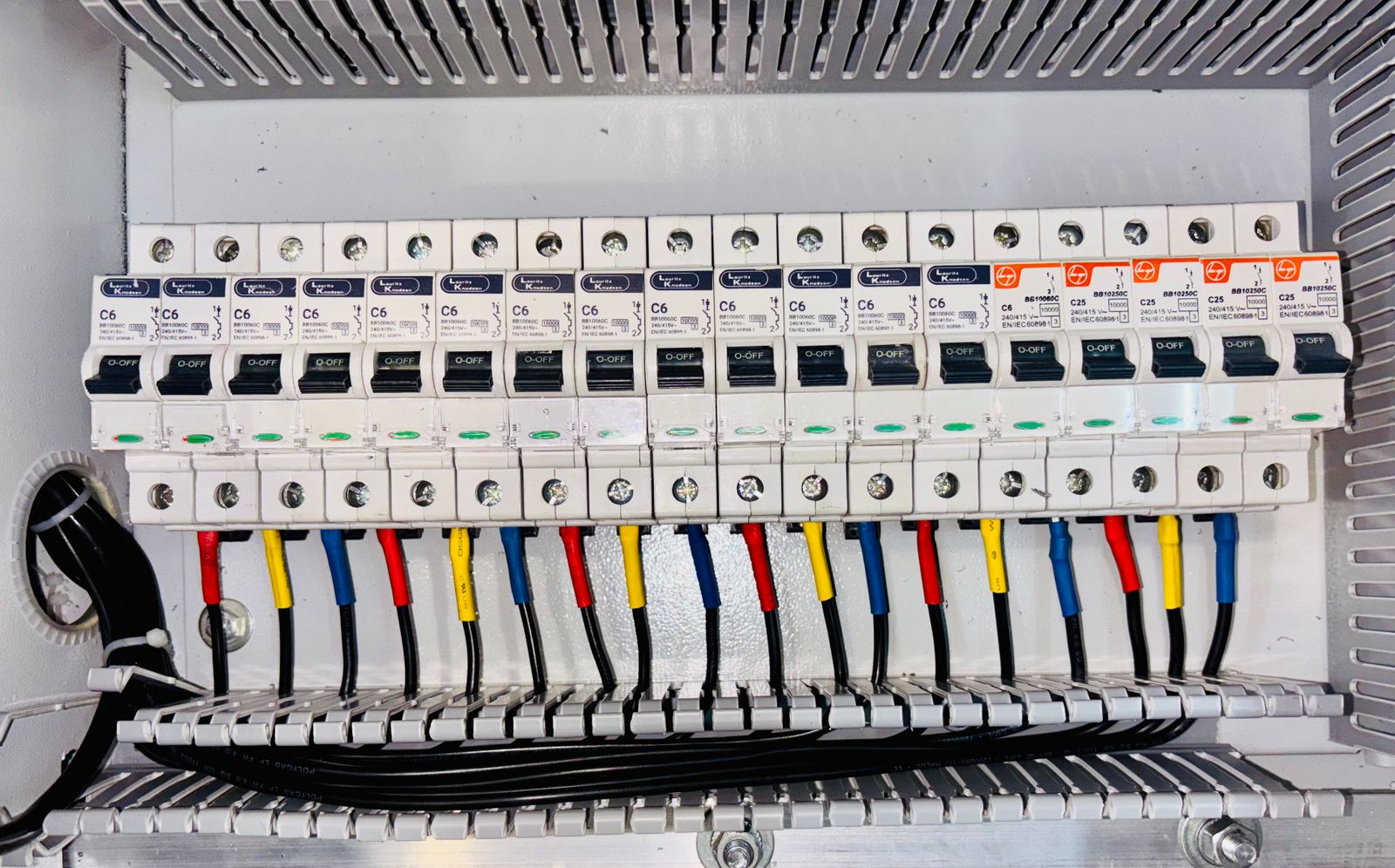
Modern 200 amp breaker panel with organized wiring after a full rewire
"Fully rewired, new 200-amp panel, ESA certificate" is the line that turns a century home's wiring from an objection into a selling feature.

What the buyer's insurer will demand — and why it's your problem

Even though it's not your policy, the buyer's insurance drives your closing date. Their lender requires proof of insurance to advance funds; most standard insurers — TD, Aviva and Intact among them — refuse homes with active knob and tube or surcharge 50–300%. The workable outcomes are either an ESA Certificate of Inspection proving the wiring is gone, or a conditional policy giving the buyer 30–90 days after closing to remediate — which insurers grant far more readily when a written quote from a licensed electrician is already in the file. Either way, in Ontario the work must be done by an ECRA/ESA Licensed Electrical Contractor under ESA permit and inspection; a cousin-with-a-toolbelt rewire produces no certificate and solves nothing. The full mechanism is on our insurance page.

The pre-listing package that strengthens any listing

Whichever option you choose, the same preparation serves both: a pre-listing electrical assessment, a written scope and quote, and — if you rewire — the ESA certificate. Sellers who walk into offer night with that package have answered the three questions every buyer, lender and insurer will ask, before they're asked. It typically costs nothing but a phone call to start, and it converts the scariest line in your inspection report into a solved problem with a number attached.

Listing this season? Start with the assessment now — a written quote in days, and if you choose to rewire first, most homes are done in 3–10 working days with the ESA certificate to follow. Request your free quote or call (613) 555-0199.

Frequently asked questions

Do I legally have to disclose knob and tube when selling?

Ontario disclosure rules around latent versus patent defects are nuanced — that's a question for your realtor and lawyer. But strategically the question is almost moot: knob and tube is exactly what home inspectors look for in pre-1950 houses, and virtually every Kingston buyer of a century home orders an inspection. It will be found. A deal that collapses at day 25 because the buyer's inspector found undisclosed knob and tube costs you far more — in time, in a stigmatized re-listing, in the next buyer's suspicion — than transparency ever does.

Will knob and tube kill my sale?

Not if it's managed. What kills sales is the surprise: an inspector finds it, nobody has a number, the buyer's insurer balks, financing wobbles, and panic takes over. Sellers who show up with either completed remediation (rewire done, ESA certificate in hand) or a documented plan (electrician's assessment plus written rewire quote) keep deals alive, because every party — buyer, lender, insurer — gets the piece of paper they need. Kingston century homes with knob and tube sell all the time; the prepared ones just sell faster and closer to asking.

Rewire before listing or discount the price — which nets more?

It depends on your timeline and market. Rewiring first (a full rewire runs $5,000–$8,000 for a bungalow, $8,000–$15,000 for a two-storey, $14,000–$25,000 for a large century home with a 200-amp panel — see the cost page) usually recoups its cost through a cleaner sale: no conditional-financing fall-throughs, no insurance objections, faster closing, and a listing that says "fully rewired, ESA certificate." Selling as-is with a written quote in hand is the better play when you need to list now — the quote anchors the discount at the real number instead of the buyer's inflated guess. What loses money is the third option: listing with no plan and negotiating blind.

How long does a pre-sale rewire take?

Most Kingston homes take 3–10 working days of rewiring, plus scheduling lead time and the ESA inspection at the end — realistically plan two to four weeks from signed quote to certificate in hand, longer in busy seasons. Crews fish new cable through existing cavities with small patched openings, so you're not repainting the whole house before listing. If you're preparing a spring listing, starting the assessment in winter gives you the certificate before the photographer shows up.

Can't the buyer just use the 30–90 day conditional insurance window instead?

Yes — and it's a legitimate path that closes deals: the buyer's insurer issues coverage conditional on replacement within 30–90 days, the lender accepts it, and the buyer rewires after closing. But understand what it costs you as the seller. The buyer takes on the project risk and will price that into their offer, usually demanding a discount at or above the actual quote. It works best paired with your written quote, which keeps the discount anchored to reality. If you have the time and cash to rewire first, you keep that margin instead of paying it out as a risk premium.

What will the buyer's insurance company actually demand?

One of two things. Either proof the knob and tube is gone — an ESA Certificate of Inspection following a rewire by an ECRA/ESA Licensed Electrical Contractor — or a credible remediation plan, typically a written quote from a licensed electrician plus a conditional policy giving 30–90 days after closing to complete the work. Without one of those, most standard insurers (TD, Aviva, Intact among others) refuse coverage or surcharge 50–300%, and since the buyer's lender requires proof of insurance to advance funds, an uninsurable house is an unfinanceable house. The certificate or the quote package is what keeps your closing date real.

Free quote within 24 hours

Describe your situation — an advisor calls you back the same day to book the assessment. No obligation.

Prefer to talk?
(613) 555-0199
Monday to Saturday, 7 am – 7 pm

Your contact details are used only to call you back about your quote. No spam, ever.

Thank you! We'll call you back within business hours.

Hundred-year-old wiring never gets better on its own

Licensed rewiring, ESA inspection, certificate to your insurer. Call now or request your free quote online.

Call (613) 555-0199
📞 Call now Free quote