The inspection surprise that comes with Napanee's affordability
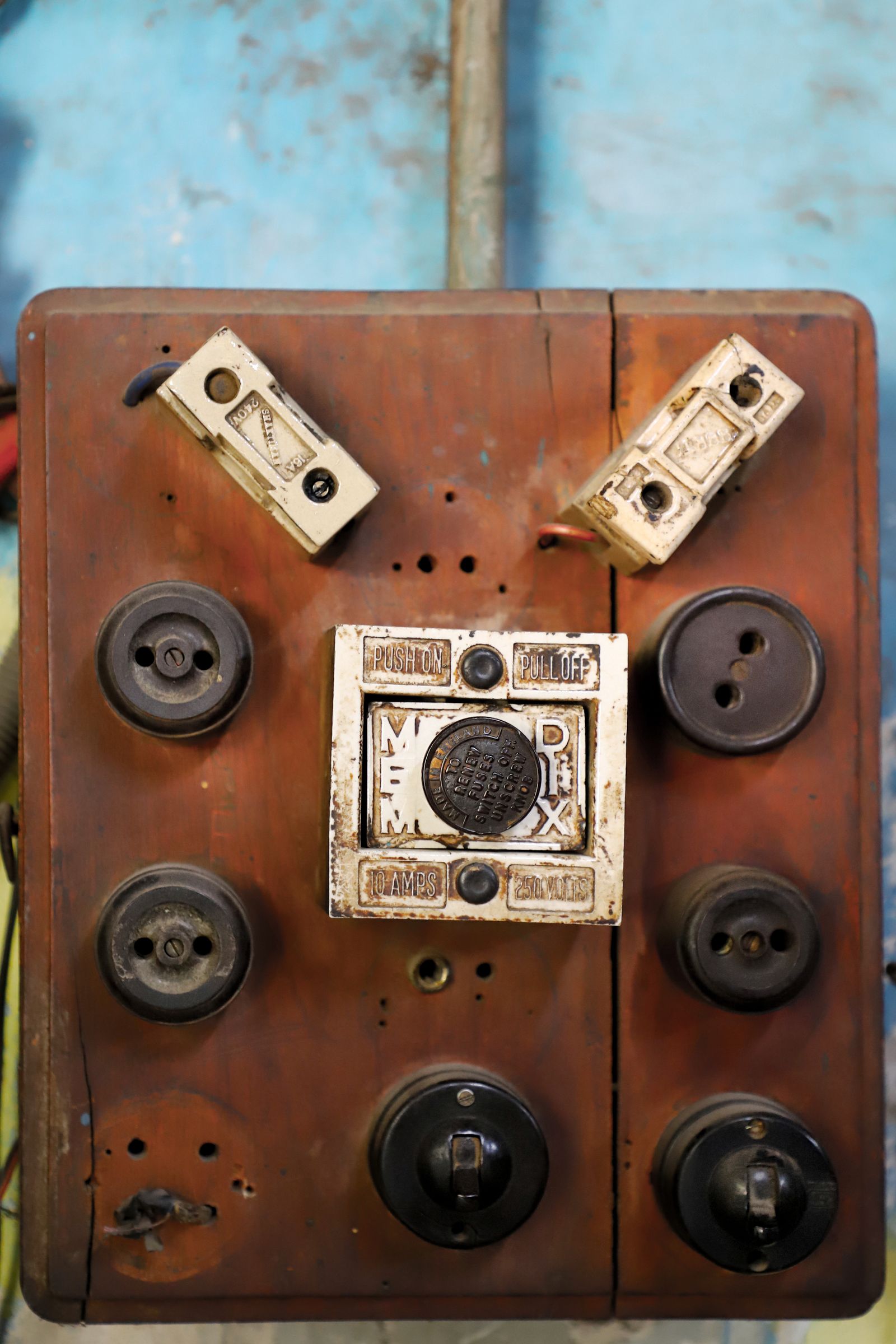
Knob & Tube Kingston handles a pattern we see over and over in Napanee: buyers move 40 minutes west of Kingston along the 401 to get more house for the same money. The house they can suddenly afford is often a pre-war two-storey or a century farmhouse. Then the home inspector opens the basement ceiling, points a flashlight at a row of white ceramic knobs, and the purchase suddenly depends on a wiring system installed when the house was new. Knob and tube was the standard from the 1880s into the 1940s: two separate cloth-covered wires with no ground wire, safe enough in open air in 1930, flagged by every insurer and lender in 2026.
Three Napanee housing types, three versions of the problem
- The downtown-core home: the streets around Dundas Street's 19th-century limestone and brick blocks, and the older residential blocks near the Napanee River, hold housing that predates 1950 by decades. Original wiring here is usually knob and tube unless someone has documented otherwise
- The century farmhouse: Greater Napanee's rural township is full of them. Big square footage, renovations layered over generations, and often an original 60-amp fuse service still feeding the whole property. These jobs frequently pair a rewire with a 200-amp panel upgrade
- The partially rewired house: the most common of all. A previous owner replaced the kitchen circuits in the 1980s and left the bedrooms alone. Only a licensed trace reveals which circuits are still live knob and tube. A partial rewire of just those circuits can cost roughly half of a full rewire done without tracing
What the buyer's lender and insurer will actually demand
Once knob and tube appears in an inspection report, two institutions take over the timeline. The insurer will either refuse coverage, apply a high-risk surcharge of 50–300%, or issue a policy conditional on replacement within 30–90 days. The lender, meanwhile, often wants proof of insurability (or a repair plan with real numbers) before advancing funds. The step-by-step process is documented on our buyer's guide: get a written quote before closing, negotiate it as a price adjustment or holdback, and schedule the rewire for right after possession. Sellers can use the same approach in reverse. Our seller's guide covers fixing first versus pricing it in. Either way, a written quote is a stronger position than a rushed renegotiation.
From quote to certificate, and what it costs
The process is the same whether the house is on a downtown street or a concession road: a licensed electrician traces every live circuit, delivers a free written quote, and the work runs under an ESA permit: new grounded cable fished through existing cavities, small openings patched afterward, most homes done in 3–10 working days and livable throughout. Budget guidance: partial replacement $3,000–$6,000; full bungalow rewire $5,000–$8,000; full two-storey $8,000–$15,000; large century home plus 200-amp panel $14,000–$25,000. Details are on the cost page. The final step is the ESA Certificate of Inspection: the provincial proof that no active knob and tube remains, which makes the insurer remove policy conditions and restore standard rates. What that's worth annually (often $500–$1,500) is broken down on our insurance page.
Mid-purchase with a closing date approaching? Conditional offers and financing deadlines don't wait. Request the free quote and state your closing date. Assessment visits for active purchases are booked first, and the written quote arrives within 24 hours of the visit.