
The wiring hiding inside Kingston's century homes
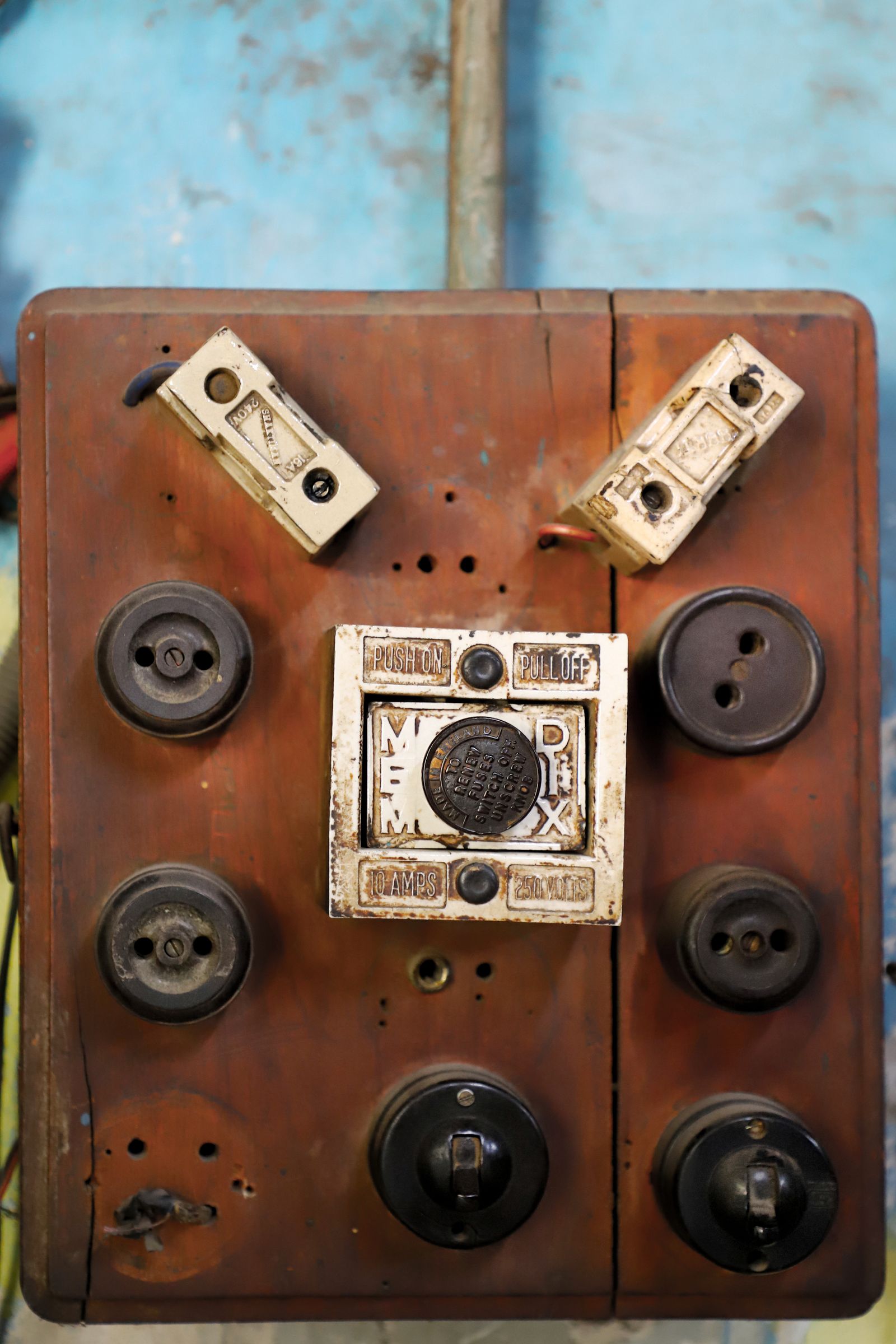
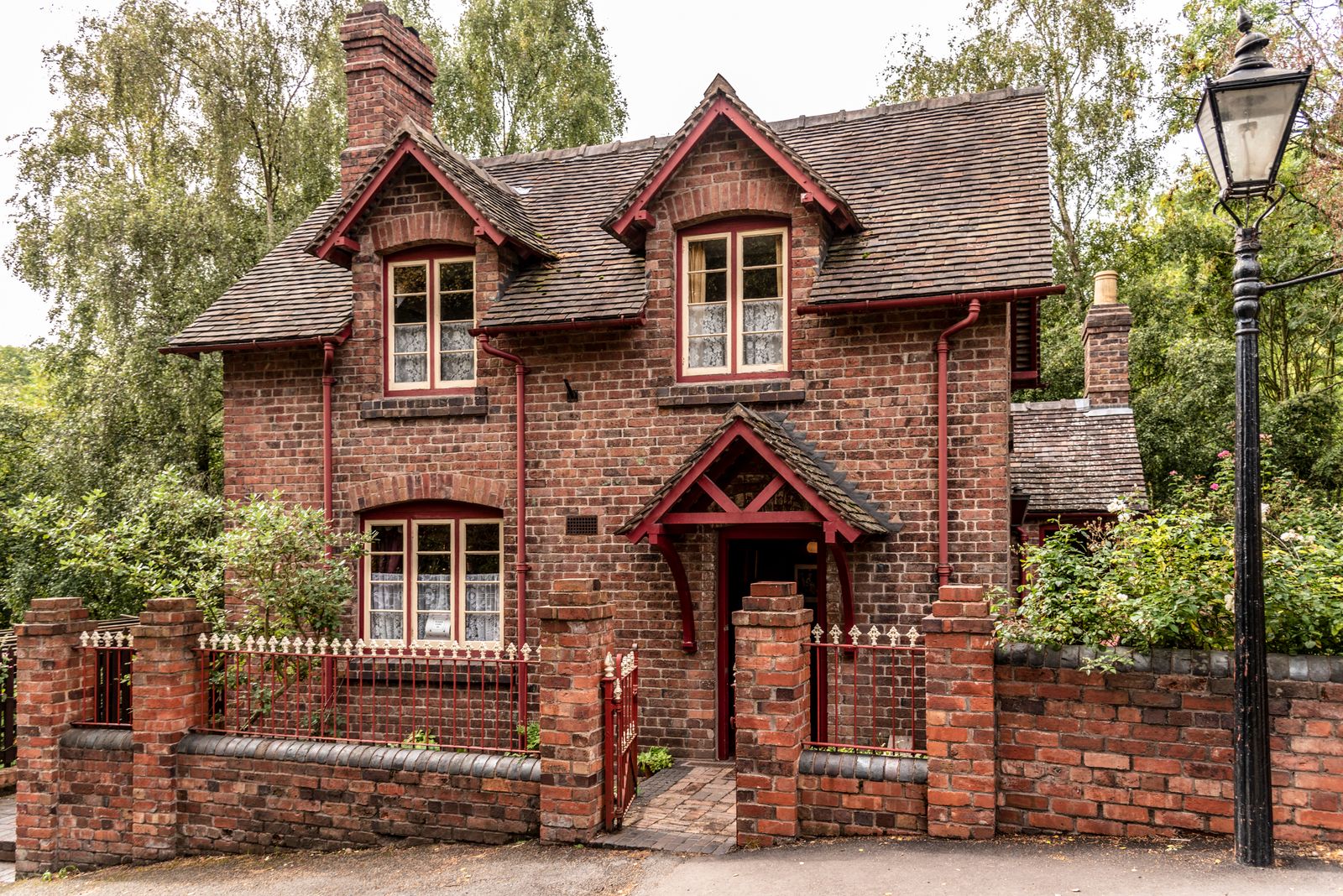
Kingston is one of the oldest cities in Ontario, and it shows in the housing stock. The limestone and brick homes of Sydenham Ward, Portsmouth Village, Williamsville, Kingscourt and the Inner Harbour were largely built before 1950, which means they were built with knob and tube wiring. That's two separate strands of rubber-and-cloth insulated copper, strung through ceramic knobs and tubes, with no ground wire anywhere in the system (no safety path for electricity when something goes wrong). It was fine engineering for 1925. It is a problem in 2026.
The issue isn't only age. Knob and tube was designed to run in open air; when attics get filled with blown-in insulation, the wires overheat. The rubber insulation turns brittle and flakes off the copper. And after a century of renovations, most systems carry decades of amateur splices: taped connections buried in walls, modern circuits tied into 1920s wiring, all of it invisible until someone opens things up. That's why our page is knob and tube safe? is the most-read on this site: the honest answer is "it depends on things you can't see."
Why old wiring suddenly comes with a deadline
A knob-and-tube system can sit quietly for decades. Then one of these letters arrives, and everything speeds up:
- The insurance letter: most standard insurers now refuse new policies on homes with active knob and tube, or issue coverage conditional on replacement within 30–90 days. The alternative is high-risk coverage at a steep surcharge. Full details on our insurance page
- The home inspection: you're buying or selling a century home, the inspector finds knob and tube, and suddenly the buyer's financing and insurance both depend on a rewiring plan with real numbers attached
- The renovation permit: you open a wall for a kitchen or bathroom project and code requires the old wiring in that section to be brought up to standard
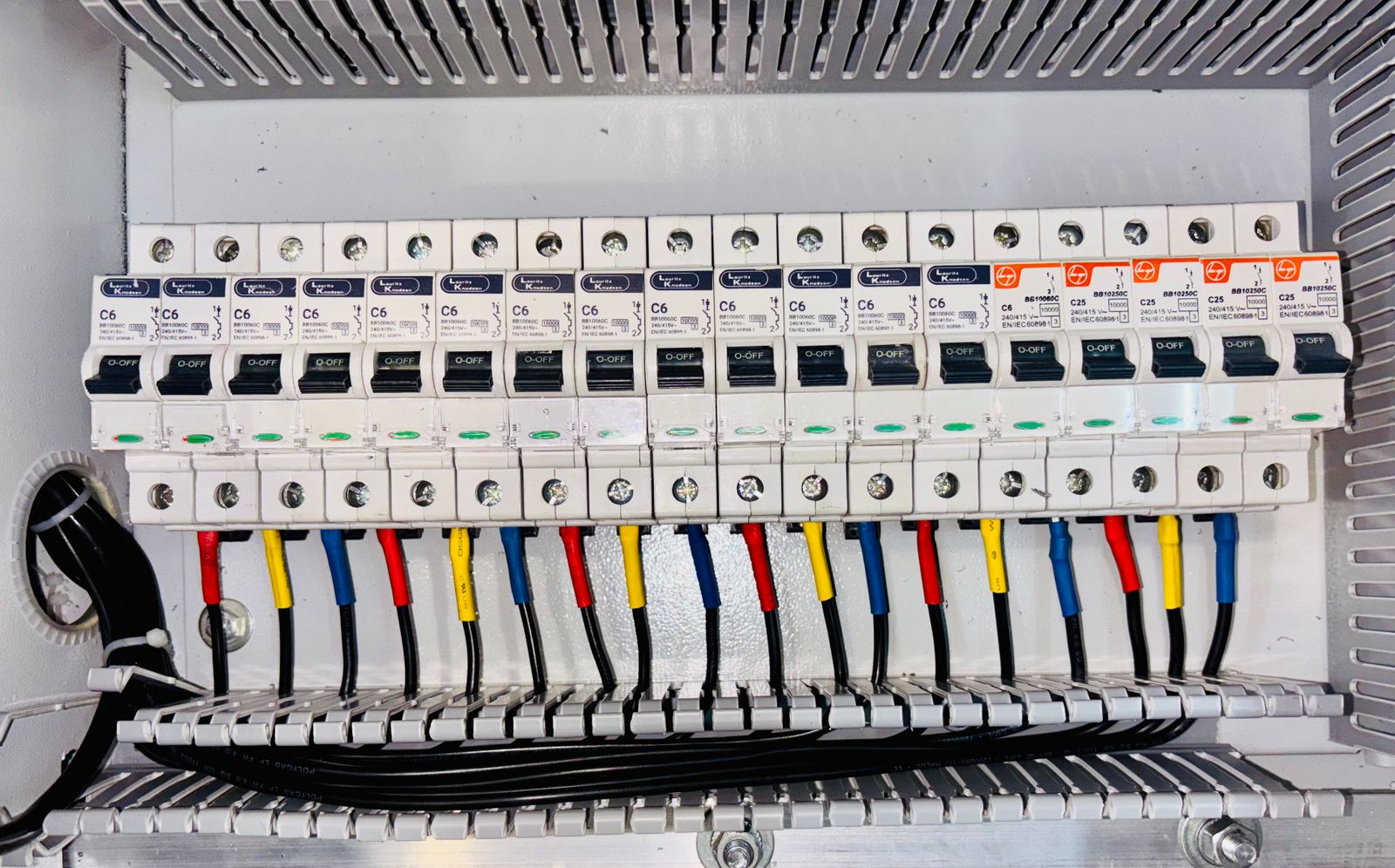
- The mystery symptoms: flickering lights, warm switch plates, and fuses that blow when you run a hair dryer. A 60-amp service built for 1925 loads cannot supply a 2026 household
Notice what's missing from that list: the law. No rule forces you to replace working knob and tube. The pressure comes from the companies that insure and finance your house. Once their letter exists, the question is no longer whether to rewire. The question is how fast, and at what price.
What replacement actually involves (and what it doesn't)
The fear is always the same: torn-open walls. In most Kingston homes the actual damage is small. Experienced crews fish new grounded cable through wall cavities from the basement and attic, using small openings that the crew patches afterward. A typical century home takes 3–10 working days, livable throughout. The work runs under an ESA permit, finishes with an ESA Certificate of Inspection, and that certificate goes to your insurer. Costs are on our cost page: real published ranges, with no hidden pricing.
Holding an insurance deadline letter right now? The 30–90 day deadline is enough time, but only if the quote, the permit and the crew are arranged in the right order. Start with our insurance & knob and tube guide, or go straight to the free quote form. If your insurance company gave you a deadline, tell the electrician when you call. Deadline jobs get scheduled first.